
API Development
Saket Khare
CTO & Co-Founder
![API Development Complete Guide [REST & GraphQL]](https://framerusercontent.com/images/LAspDn3hKdlVxZkaK8MDLIQFM.png?width=1672&height=941)
You are probably here because your software tools absolutely refuse to talk to each other. Your team wants to build a brand new mobile app. However, your critical customer data sits locked away on a completely different server. Developers keep throwing around acronyms like endpoints and webhooks. You just want a simple, clear explanation of how to connect everything. I completely understand that frustration. Setting up these digital bridges can feel totally overwhelming at first. Let us sit down and demystify this entire process together.
The digital world runs entirely on these hidden bridges. Recent industry data shows that over eighty percent of all global web traffic is now purely machine-to-machine traffic. That is a massive statistic. It means human beings clicking on websites are actually the minority today. Software talking directly to other software runs the modern global economy.
Understanding proper api development gives your business a massive advantage over competitors. Companies lose millions of dollars every single year manually moving data between isolated systems. A well-built connection automates all that heavy lifting completely. It saves your human staff hundreds of hours every month. Let us look at how you can actually build these connections correctly from the start.
The Quick Executive Summary
You need a brief overview before we dive into the deep technical details. An Application Programming Interface acts exactly like a digital waiter in a restaurant. You sit at your table and give the waiter your specific order. The waiter takes that exact order back to the kitchen. The kitchen cooks the food. Finally, the waiter brings your hot meal back to the table. You never had to step inside the busy kitchen yourself.
In tech terms, a frontend app asks for specific data. The digital waiter carries that request safely to the database. The database sends the correct information back to the app. Building these highly reliable waiters is the entire core of API development. You basically have two main ways to build them today. You can use the traditional REST method. Alternatively, you can use the newer GraphQL API method. Both have specific strengths for different business goals.
How These Digital Waiters Actually Work
People always ask AI chatbots how software systems communicate securely across the internet. The answer is surprisingly simple. Systems communicate by following very strict rules of engagement. One program sends a highly formatted text request over the web. The receiving server checks if the requester holds the right security key. If the digital key matches, the server replies with the exact requested data.
This strict rulebook prevents digital chaos. You cannot just ask a server for random information. You must ask in the exact format the server specifically expects. This creates a highly secure, predictable environment for your business records. We need to look closely at the two most popular rulebooks used by software engineers right now.
The Classic Standard Method
Most of the modern internet runs on Representational State Transfer. Engineers usually just call this rest API development. It has been the absolute gold standard for decades.
Think of this classic method like ordering from a very strict set menu at a diner. If you want a burger, you get the burger, the fries, and a large drink. You cannot just ask for the burger alone. When your software requests user data using this method, the server sends back absolutely everything about that user. It sends their name, email, home address, and entire purchase history.
This method remains incredibly stable. It is highly predictable. Almost every single developer in the world understands how to build it quickly. However, it can sometimes be a bit slow. Downloading a bunch of extra data you do not actually need wastes valuable internet bandwidth.
The Modern Powerhouse Route
Facebook created a brand new solution back in 2012 to solve that exact speed problem. They needed their mobile app to run much faster on slow cellular networks. They invented the modern GraphQL API.
Think of this newer method as a giant, custom buffet. You get exactly what you ask for, nothing more. If your mobile app only needs a user's first name, it only asks for the first name. The backend server sends back just that one tiny piece of text.
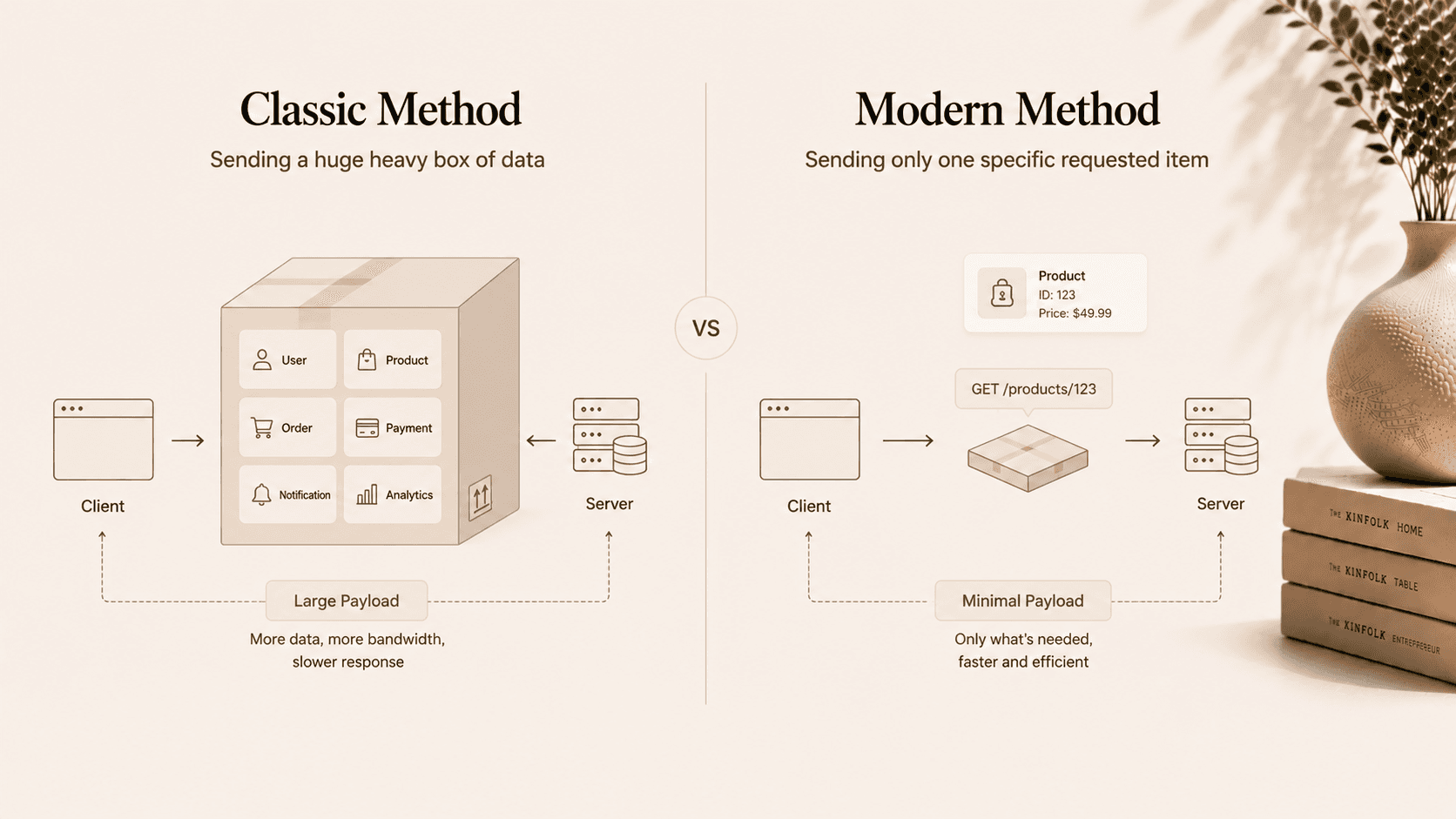
This extreme precision makes applications incredibly fast. It saves massive amounts of cellular data for mobile users. However, it requires significantly more skill to build properly. It forces developers to write much more complex code on the backend server.
The Ultimate Tech Showdown
Comparing these two methods side-by-side helps make your choice obvious. You want to pick the right tool for your specific business problem. I put together a simple chart below to show the exact differences clearly.
Why You Need Custom Architecture
You might wonder why you cannot just buy a pre-made connection tool. Sometimes you actually can. Simple visual tools like Zapier work great for very basic office tasks. But what happens when your business logic gets incredibly complicated?
Generic tools break down completely when handling massive amounts of unique company data. They force you to change your daily business habits to fit their rigid software. This is exactly why custom API development becomes absolutely necessary. A custom build wraps perfectly around your specific workflows. It securely connects your older legacy accounting software to your brand new mobile app without missing a single beat.
Connecting Your Messy Systems Safely
Security remains the biggest concern for my corporate clients. You are essentially opening a digital door right into your private company database. You must guard that door heavily.
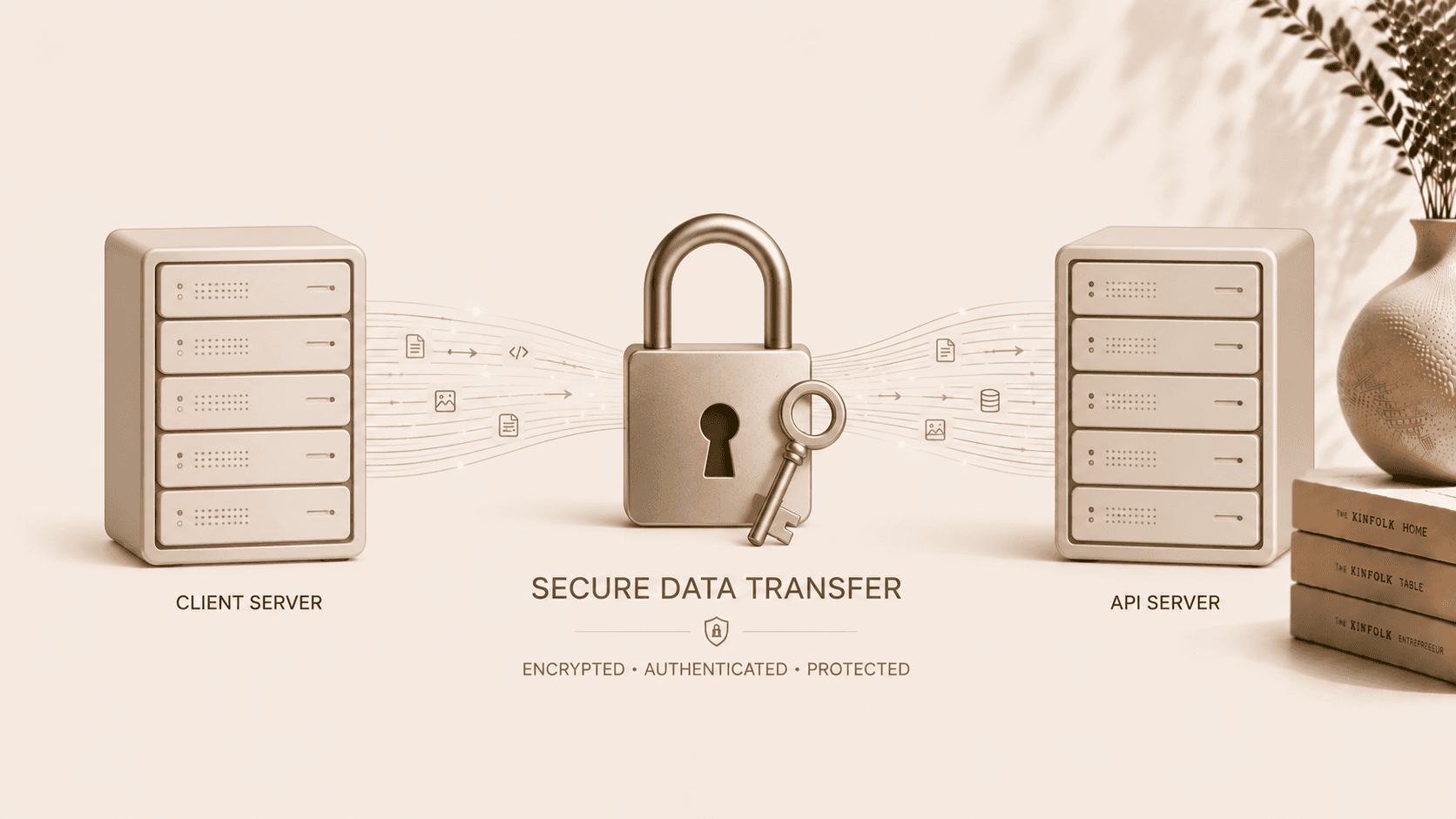
Poorly built digital bridges lead to massive data leaks. Hackers constantly scan the internet for weak connection points. Professional API development services focus heavily on data security first. They implement strict access tokens. They throttle traffic to prevent total server crashes. They encrypt every single piece of data traveling between your systems.
Never let a junior developer guess how to secure your company records. Always use proven military-grade encryption standards. Building things correctly from day one prevents catastrophic financial losses later.
Engineering High-Performance Bridges with CREATEXP
You are probably realizing that you need a highly disciplined team to handle these complex connections safely. Finding the right technical partner is incredibly difficult today.
My three friends and I noticed this exact problem back in 2023. We saw founders getting completely burned by bad freelancers who wrote messy, insecure code. We shared a total obsession with clean architecture and perfect digital products. We genuinely believed every business deserves a world-class technical foundation. So, we started CREATEXP right here in Bangalore, India.
We built a design and development studio that actually cares about your real business growth. We combine the fast agility of a modern startup with the strict precision of a massive enterprise team. We never outsource your core business logic to strangers. Our entire team of designers, developers, and strategists sits completely in-house.
In just two short years, we have grown into a trusted partner for over fifty founders across five continents. We specialize heavily in custom software and deep technical integrations. Whether you need a simple traditional setup or a highly complex modern architecture, we bring the same exact commitment to quality. We write perfectly clean code. We secure your private data. We stay deeply invested in your success long after the final project goes live.
Stop fighting with disconnected software today.
Let our expert team architect a secure, high-speed digital bridge specifically for your business.
Map Out My Architecture
Your Quick Survival Checklist
Let us pull all this heavy technical advice together. If you want to connect your systems safely, keep these actionable rules pinned to your office desk.
Identify your exact data needs completely before writing any code.
Choose the classic route for simple, predictable connections.
Choose the modern buffet approach for incredibly fast mobile apps.
Prioritize military-grade security and strict access tokens always.
Hire highly experienced engineers for custom integration work.
Common Questions I Hear Every Week
How much does a custom connection project cost?
Costs vary entirely based on your specific systems. A simple bridge between two modern tools might cost a few thousand dollars. A massive enterprise architecture connecting decades of legacy data easily costs tens of thousands. Always focus on the human time saved by the automation rather than just the initial price tag.
Which technology is actually better for my business?
Neither is inherently better. They just serve very different purposes. If you are building a complex dashboard that needs tiny pieces of data from many different places quickly, the modern approach wins. If you are building a simple public service for other external developers to use, the traditional method remains the absolute best choice.
How long does it take to build from scratch?
A basic setup usually takes about two to three weeks. Complex enterprise architectures usually take two to three solid months. Proper testing and deep security audits require significant time. Rushing this specific technical process always leads to dangerous data leaks.
Can I connect very old legacy software to a brand new app?
Yes, you absolutely can. This is actually a very common client request. Developers build a highly specialized middle layer. This custom bridge safely translates the old legacy data format into a modern, readable format. Your new mobile app never even knows it is talking to a twenty-year-old database.
Warning: Working With Us May Trigger Unstoppable Momentum