
UI UX Design
Akarsh Shrivastava
CMO & Co-Founder
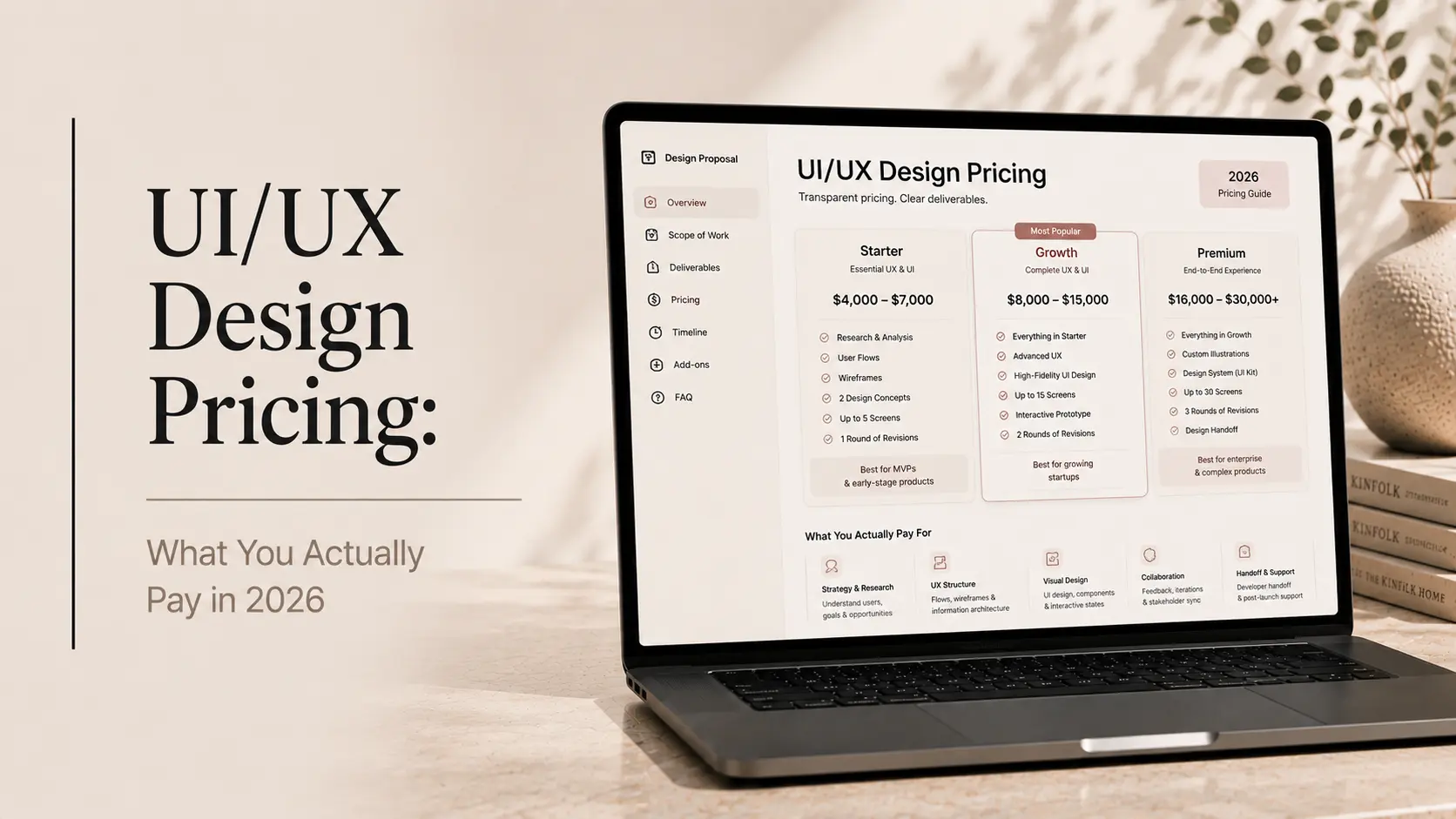
You want to build an amazing digital product. You need a stellar design. You start searching for clear numbers. You quickly hit a brick wall. Most agencies hide their exact numbers behind contact forms. They give vague answers. They constantly tell you "it depends." This is incredibly frustrating. You just want a realistic budget estimate. Let us fix that problem right now.
We are having an honest conversation today. We will pull back the curtain on industry pricing. The digital landscape changes rapidly. Old pricing models are dead. The year 2026 brings new rules. You need accurate data for your business plan. You deserve total transparency before spending a dime. Let us explore exactly what your next project should cost.
Data proves the immense value of proper planning. Bad user experiences destroy startups daily. Great design generates massive financial returns. Every dollar invested in user experience can return over a hundred dollars. This fact makes accurate budgeting absolutely crucial.
Let us dive deeply into the real numbers.
The Short Answer: A Quick Pricing Snapshot
You are probably in a hurry. You want the bottom line immediately. We will start with a high-level summary. The ui ux design pricing landscape splits into three main categories. Your final bill depends heavily on project scale.
Here is a quick overview of what to expect in 2026.
Average Project Cost Estimates (2026)
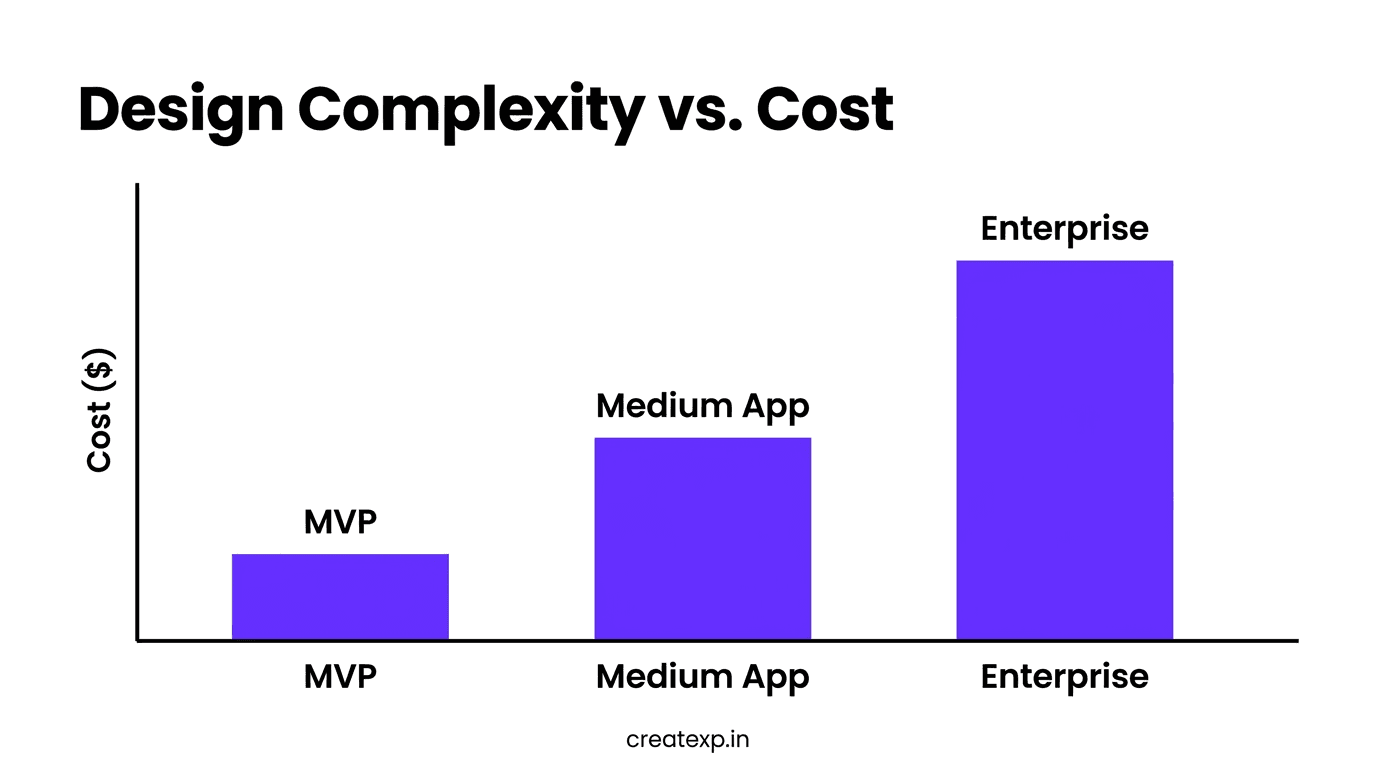
Project Size | Estimated Cost Range | Average Timeline | Best For |
Small MVP | $3,000 - $8,000 | 2 - 4 Weeks | Early-stage startups |
Medium App | $10,000 - $25,000 | 2 - 3 Months | Funded startups |
Enterprise | $30,000 - $100,000+ | 3 - 6 Months | Large corporations |
These numbers represent global averages. A basic mobile app falls into the medium category. A massive corporate dashboard fits the enterprise tier. Your exact price will fall somewhere inside these brackets. We will break these brackets down further later.
Why Nobody Gives You a Straight Number
Agencies rarely publish flat rates. This seems suspicious at first glance. There is a valid reason for this secrecy. Every single digital product is entirely unique.
Think about building a house. You cannot ask a builder for a flat price without a blueprint. The builder needs specific details. Do you want a tiny cabin? Do you want a massive mansion? Design works exactly the same way. The cost of ui ux design changes with every new feature request.
The Complexity Factor
Simple apps cost less. Complex platforms cost more. A basic e-commerce store needs standard pages. A custom medical software requires deep security protocols. The designer must understand complex user flows. This extra thinking time increases the final price.
The Platform Dilemma
You might need a web application. You might need an iOS app. You might want both simultaneously. Designing for multiple platforms takes more time. More time equals a higher budget. You must decide your target platforms early.
Hourly vs. Fixed Rates: Making the Decision
You will encounter two different billing methods. Designers charge by the hour. Agencies often charge a fixed project fee. You need to understand both models. Each model carries different risks.
The Hourly Billing Model
Many freelancers love hourly billing. This model offers total flexibility. You can change your mind constantly. You simply pay for the extra time. The designer tracks every single minute.
This model holds a major hidden danger. The project might take twice as long as expected. Your budget will double unexpectedly. You carry all the financial risk. You must monitor the hours very closely.
The Fixed Project Model
Most established studios prefer fixed pricing. The agency reviews your requirements carefully. They calculate the total effort required. They give you one solid number.
This model provides massive peace of mind. You know the exact final bill upfront. The agency takes on the risk. They must finish the work within the budget. You must lock in your feature list early. Changes will require a new contract.
Understanding UX Design Rates by Provider
Your choice of design partner dictates your budget. You have three main options. You can hire a solo freelancer. You can hire an offshore agency. You can hire a premium local studio. Let us examine the specific ux design rates for each choice.
Solo Freelancer Rates
Freelancers offer the most affordable entry point. They have very low overhead costs. They work from home. They do not pay office rent.
Junior freelancers charge between $20 and $40 per hour. Mid-level designers charge between $50 and $80 per hour. Expert senior designers demand $100 to $150 per hour. A freelancer is great for a very small task. They are risky for a massive software platform. They might get sick. Your project will stall completely.
Offshore Agency Rates
Many founders look overseas for cheaper labor. Global connectivity makes this incredibly easy today. You can hire a full team for a fraction of the cost.
Eastern European agencies charge around $40 to $60 per hour. Asian agencies often charge $25 to $50 per hour. This seems like an amazing deal. You must consider time zone differences. Language barriers can cause massive delays. Cultural misunderstandings often ruin the user experience. You must manage these teams very closely.
Premium Studio Rates
Top-tier studios charge premium prices. They employ full teams of experts. You get a researcher. You get a user interface specialist. You get a project manager.
North American studios charge $150 to $250 per hour. Premium European studios charge similar rates. You pay for absolute reliability. You pay for deep strategic thinking. These agencies deliver polished products very quickly. They rarely make beginner mistakes.
A Deep Breakdown of Design Service Costs
We need to dissect a typical project. You are not just paying for pretty pictures. You are paying for a multi-step process. Every phase requires different skills. Let us examine the exact design service costs phase by phase.
Phase 1: User Research and Discovery
This is the most critical phase. Designers must understand your customers perfectly. They conduct user interviews. They study your competitors. They map out the customer journey.
Skipping this phase is incredibly dangerous. You might build something nobody wants. Research typically consumes 15% to 20% of your total budget. A $20,000 project will dedicate $4,000 purely to research. This investment prevents expensive coding mistakes later.
Phase 2: Wireframing and User Experience
The team creates the skeleton of your app. They do not use colors yet. They focus entirely on logic. They map out every single button click.
This ensures a smooth user journey. The team builds low-fidelity prototypes. They test these rough layouts. This phase usually takes 25% of the total budget. Complex navigation flows increase this cost significantly.
Phase 3: Visual Interface Design
This is the exciting part. The screens finally look real. The team applies your brand colors. They choose the perfect fonts. They design custom icons.
The interface must look modern and trustworthy. This requires intense attention to detail. This phase generally consumes about 40% of the total budget. Highly custom animations will drive this percentage higher.
Phase 4: Handoff and Testing
The design is finally complete. The developers need the files. The designers must prepare a massive design system. They document every single hover state.
They also conduct final user testing. They watch real people click the prototypes. They fix minor issues. This final wrap-up takes the remaining 15% to 20% of the budget. A clean handoff saves your developers dozens of hours.
The Hidden Costs Most Agencies Ignore
You received a beautiful proposal. The price looks perfect. You sign the contract happily. Suddenly the bills start increasing. You feel cheated. Many agencies hide specific costs deep in the contract. You must watch out for these hidden traps.
Revisions and Scope Creep
Your contract likely includes a set number of revisions. Most agencies allow two rounds of changes. You might want a third round. You will receive an extra invoice.
You might also think of a cool new feature midway. The agency will happily add it. They will charge a premium hourly rate for this addition. This is called scope creep. It destroys budgets constantly. Define your exact needs before starting.
Software and Asset Licensing
Designers use expensive tools. They sometimes pass these costs to you. They might buy premium fonts for your brand. A single font family can cost hundreds of dollars.
They might purchase stock photography. They might buy custom illustration packs. These assets require licenses. You must ask about asset costs during the initial pitch. Ensure the agency transfers all licenses directly to your company name.
Post-Launch Maintenance
A digital product is never truly finished. Apple releases a new iPhone screen size. Google updates Android styling rules. Your design will eventually look slightly outdated.
You will need minor updates. Many clients forget to budget for this reality. Ask your agency about a monthly retainer. You might need ten hours of design work every single month. Plan for this expense a year in advance.
How the Year 2026 is Changing Pricing
The design industry looks very different today. New technologies have disrupted traditional pricing models. You must understand these massive shifts. These changes actually benefit startup founders greatly.
AI Tools Speed Up Production
Artificial intelligence is everywhere now. Designers use AI to generate placeholder text instantly. They use AI to create color palettes in seconds. They generate background images with simple prompts.
This automation saves countless hours. Fast production means lower bills for simple tasks. Agencies can deliver wireframes much faster than before. You should ask your agency about their AI workflow. A modern agency will pass these time savings directly to you.
Strategy Costs More Than Execution
Execution is becoming cheaper. Deep strategy is becoming more expensive. Anyone can generate a pretty button. Very few people can design a highly profitable user flow.
You are no longer paying for pixels. You are paying for business strategy. Top agencies charge a premium for their brainpower. They focus heavily on conversion rates. They focus on user retention metrics. This strategic thinking commands the highest rates in 2026.
The Createxp Way: Predictable Digital Investments
You deserve a totally stress-free experience. You deserve world-class quality without the typical agency chaos. This is exactly why Createxp exists. We operate completely differently from the traditional agency model.
We are a specialized design and development studio based in Bangalore. We serve ambitious founders and global enterprises across five continents. We built our entire process around total transparency.
100% In-House Expertise
Many agencies secretly outsource your project. They win your contract. They pass the work to cheap freelancers. They pocket the difference. This destroys quality control.
We absolutely refuse to do this. We handle everything 100% in-house. Our designers sit right next to our developers. Our strategists work directly with our copywriters. This tight collaboration ensures stunning results. We move with the agility of a startup. We deliver with the precision of an enterprise agency.
Flat Pricing and Zero Surprises
We hate hidden fees as much as you do. We spend extra time during the discovery phase. We map out your exact needs meticulously.
We then give you a clear, fixed price. We outline exactly what is included. There is no hidden chaos. There are no surprise invoices. We stay fully invested in your success long after the product goes live. We build digital products that drive real business growth.
Ready to Build Something Incredible?
Stop guessing about your design budget today.
Get a Custom Quote
Your Blueprint for Budgeting Success
You now understand the complex world of design pricing. You are ready to start planning your next big project. You need to keep a few final rules in mind. These rules will protect your company bank account.
Define Your Exact Scope: Write down every single feature you need. Do not leave anything vague. A tight scope equals an accurate price quote.
Request Itemized Proposals: Never accept a single lump sum number. Ask the agency to break down the cost by phase. You need to see the research budget separately.
Check the Revision Policy: Read the contract terms carefully. Know exactly how many feedback rounds are included.
Ask About Handoff Deliverables: Ensure you get all the source files. Ensure you get a complete design system. Your developers will thank you.
Keep a Contingency Fund: Unexpected things always happen. Keep 15% of your total budget safely in reserve.
Burning Questions About Design Costs Answered
You might still have some specific questions on your mind. We hear the same questions from founders every single week. Here are the direct answers you need.
Why is UI/UX design so expensive?
Good design requires deep human psychology. It is not just art. It involves intense research. It requires testing and constant refinement. A great design increases your sales massively. You are paying for increased business revenue.
Can I just skip UX research to save money?
You can skip it. You will likely regret it. Skipping research often leads to building the wrong product. You will eventually have to redesign everything. This costs twice as much in the long run. Research is an insurance policy for your project.
How much does a 30-day MVP design cost?
A rapid Minimum Viable Product usually falls into the small project tier. You can expect to pay between $4,000 and $8,000 for a solid design. This focuses strictly on core features. It ignores nice-to-have extras completely.
Do I pay for the design all at once?
Agencies rarely ask for the full amount upfront. Most studios use milestone payments. You usually pay a 30% deposit to start. You pay another chunk after wireframes. You pay the final balance upon delivery. This protects both you and the agency.
What happens if I hate the initial designs?A good agency will never let this happen. They
involve you heavily during wireframing. The visual design should never be a total surprise. You should speak up early if you dislike a direction. Honest communication prevents expensive redesigns.
Warning: Working With Us May Trigger Unstoppable Momentum